Overview
Symptoms involving the brain can be worrying. A headache, dizzy spell, seizure, memory change, or balance problem may be harmless in some cases, but persistent or unexplained neurological symptoms should be assessed properly.
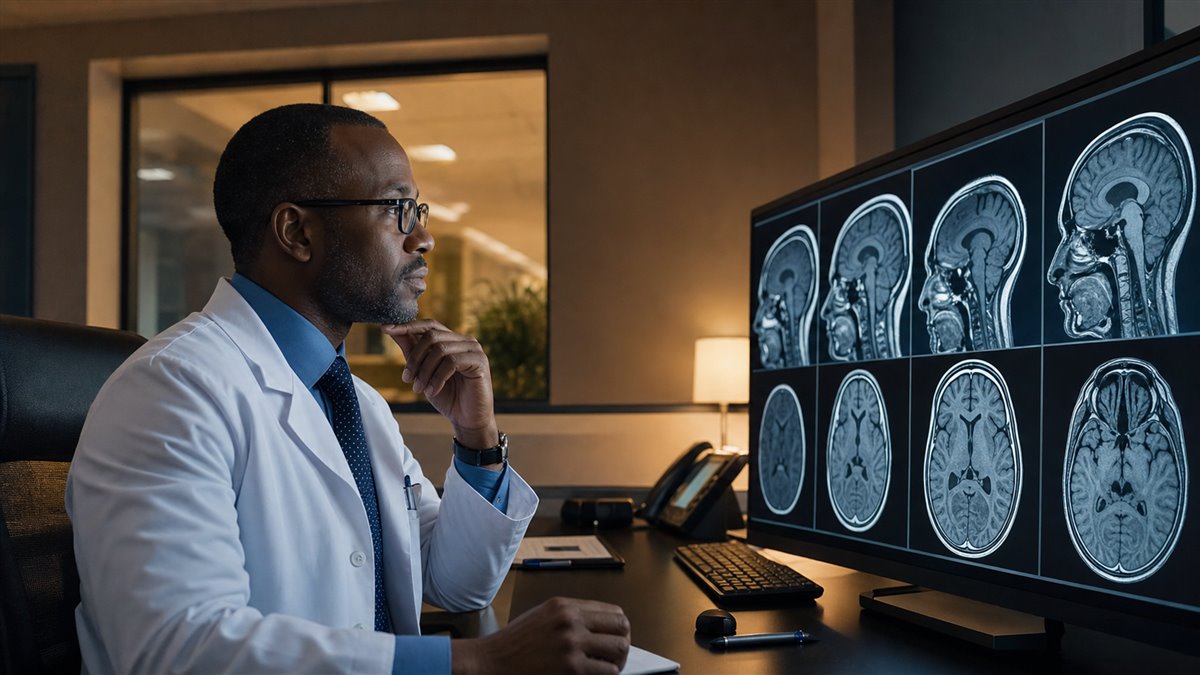
A brain MRI is one of the most detailed imaging tests for the brain. It helps doctors look beyond surface symptoms and investigate the brain's soft tissues, blood vessels, nerves, and structural patterns with far greater detail than many other imaging methods.
At Rayhaan Healthcare, patients can access MRI scans in Nairobi supported by modern imaging technology, experienced radiology interpretation, and patient-focused preparation guidance.
Symptoms That May Need a Brain MRI
Your doctor may recommend a brain MRI when symptoms are persistent, severe, recurring, or not clearly explained by a routine examination. MRI is especially useful when the clinical question involves brain tissue, inflammation, tumours, previous stroke, multiple sclerosis, seizures, or nerve-related symptoms.
- Persistent or severe headaches
- New or worsening migraines
- Seizures or fainting episodes
- Sudden dizziness or loss of balance
- Memory problems or confusion
- Vision or hearing changes
- Weakness, numbness, or tingling
- Difficulty speaking
- Head injury follow-up
- Suspected stroke or previous stroke assessment
Why Your Doctor May Refer You
Doctors request MRI when they need a clearer picture of what may be happening inside the brain. A neurological symptom can have many causes, and imaging helps narrow the possibilities so treatment decisions are based on evidence rather than guesswork.
For example, a seizure may require imaging to check for structural abnormalities. Persistent headaches may require assessment for inflammation, masses, vascular problems, or other causes. Memory or balance problems may require a broader neurological evaluation. MRI does not replace a doctor's assessment, but it gives doctors more detailed information.
What Brain MRI Can Show
Brain MRI can help detect tumours, stroke changes, multiple sclerosis lesions, infections, bleeding, inflammation, hydrocephalus, congenital abnormalities, and other structural concerns. It is also commonly used to monitor known neurological conditions over time.
If your doctor is deciding between MRI and CT, the choice depends on urgency and the suspected condition. CT is fast and often used in emergencies, while MRI provides stronger soft tissue detail for many neurological conditions. You can also read our guide on MRI vs CT scan.
Rayhaan Healthcare's Approach
Rayhaan Healthcare focuses on making diagnostic imaging clear, safe, and clinically useful. Patients receive preparation guidance before the appointment, safety screening before entering the MRI room, and imaging performed with attention to comfort and accuracy.
Reports are reviewed by experienced radiology professionals and prepared to support your referring doctor's treatment plan. If you are unsure whether your symptoms require MRI, the team can help you understand appointment availability and what information to bring.
How to Prepare
Before a brain MRI, you will usually complete a safety questionnaire and remove metal objects such as jewellery, watches, hair clips, and removable dental items. Tell the team if you have a pacemaker, metal implant, cochlear implant, aneurysm clip, implanted device, kidney disease, pregnancy, or previous reaction to contrast.
Most brain MRI scans are painless and take about 20 to 45 minutes. If contrast is required, the team will explain why it is needed and what to expect.
Frequently Asked Questions
Can I request a brain MRI without a referral?
Many patients come with a doctor's referral. If you do not have one, contact Rayhaan Healthcare so the team can advise on the appropriate next step.
Is brain MRI painful?
No. The scan is painless, although the machine makes loud sounds during imaging. The team will guide you throughout the process.
When should neurological symptoms be urgent?
Sudden weakness, facial drooping, severe sudden headache, confusion, loss of speech, or suspected stroke symptoms should be treated as urgent medical concerns.
Related Reading
Related Services
Need Help With This Topic?
Speak with Rayhaan Healthcare about symptoms, preparation, appointment times, or the right next step.